

“By anchoring years of intensive biological research into an industrialized, turnkey assay, Neurogenic aims to solve psychiatry’s greatest challenge: clinical timing. The platform empowers physicians to cut through overlapping behavioral symptoms, utilizing a novel biomarker to confidently guide early, definitive therapeutic intervention before chronic disability can take hold.”
Alon Chen, Ph.D. — Scientific Vision
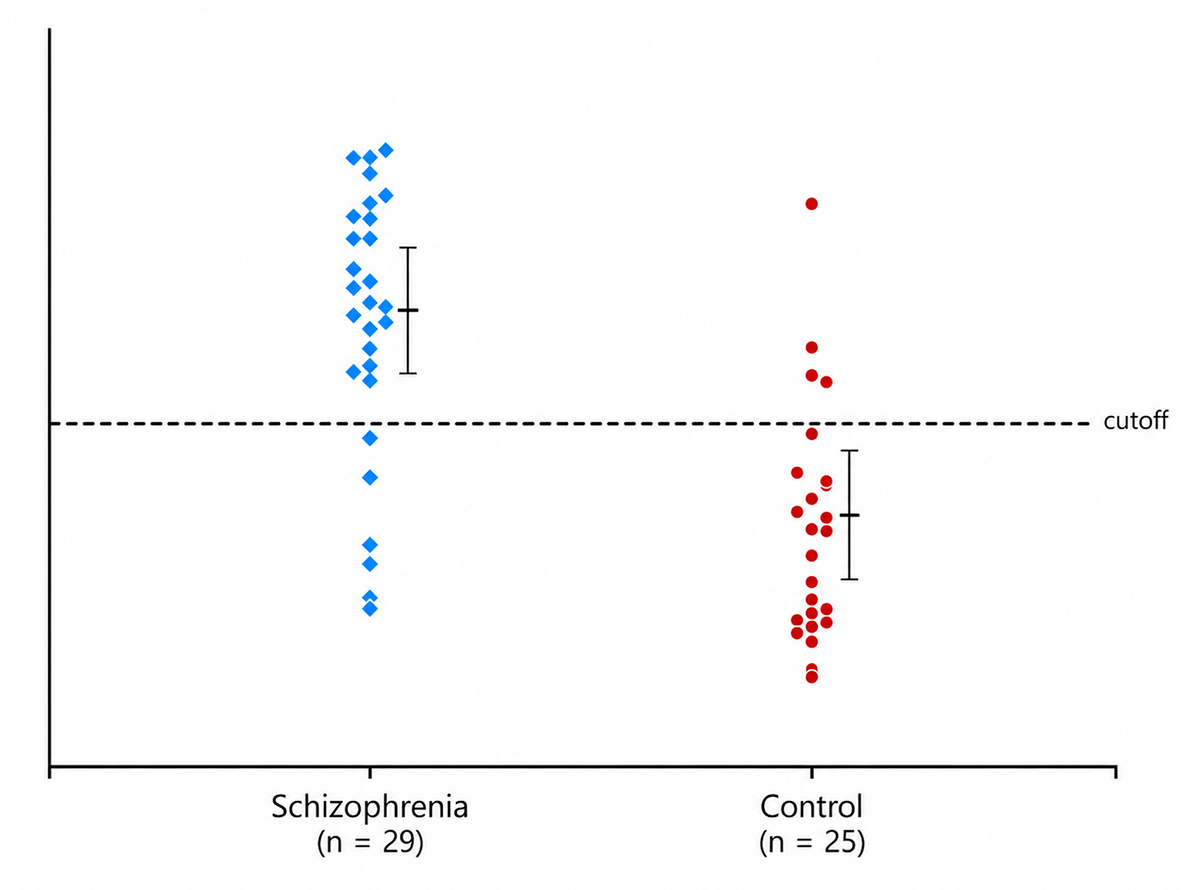
Objective biological data to support early psychiatric evaluation. Our platform has been validated through rigorous, controlled clinical testing to demonstrate clear statistical separation across both pediatric and adolescent populations.
The foundational accuracy of the assay was verified using a blind controlled study design. This phase evaluated the presence of Platelet-Associated Autoantibodies (PAA) in young patients experiencing acute psychotic states against a normal healthy control group.
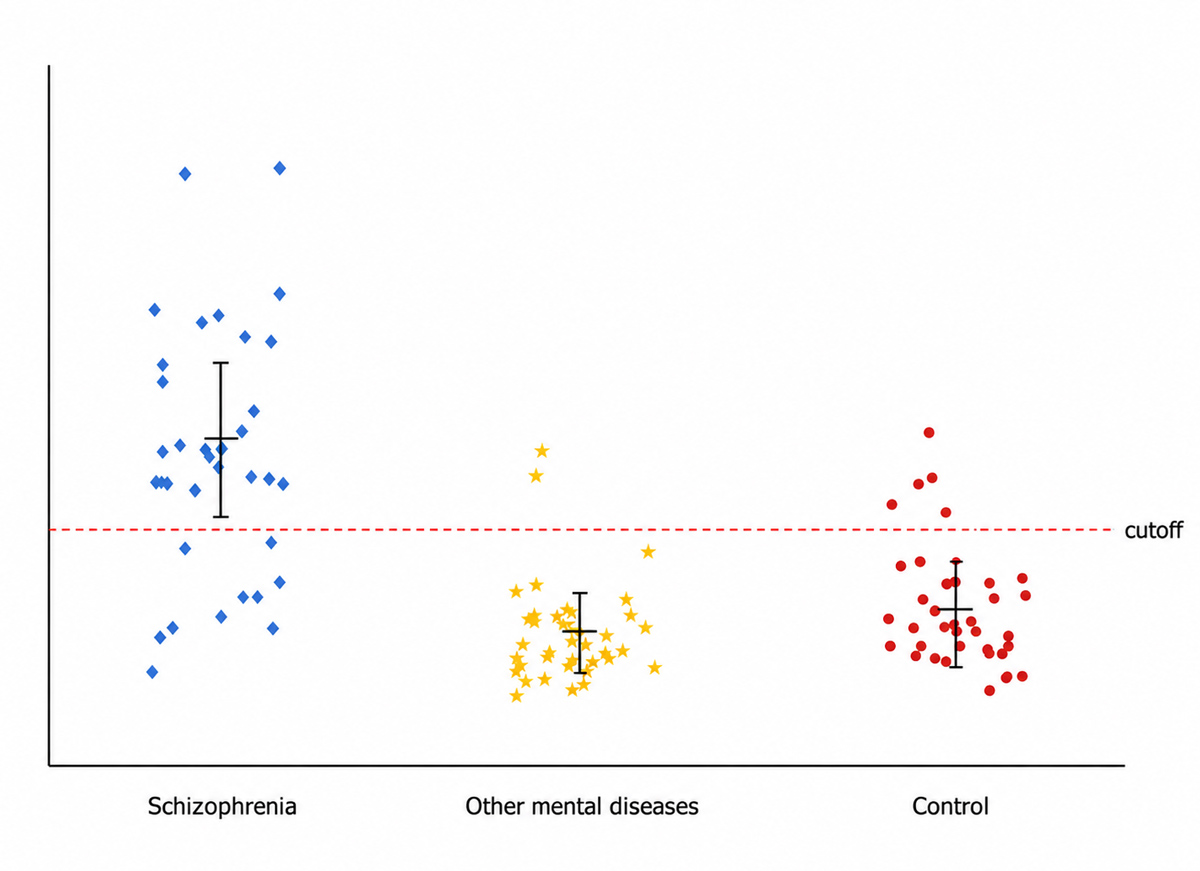
Diagnosing a young patient is notoriously difficult because early schizophrenia symptoms heavily mimic other conditions. To solve this clinical maze, our 2025 Clinical Study Report utilized a rigorous, three-arm evaluation protocol. By directly contrasting schizophrenia patients against healthy controls and a critical psychiatric control group diagnosed with Other Mental Diseases (OMD), the study validated our assay’s unique ability to pinpoint true pathology.
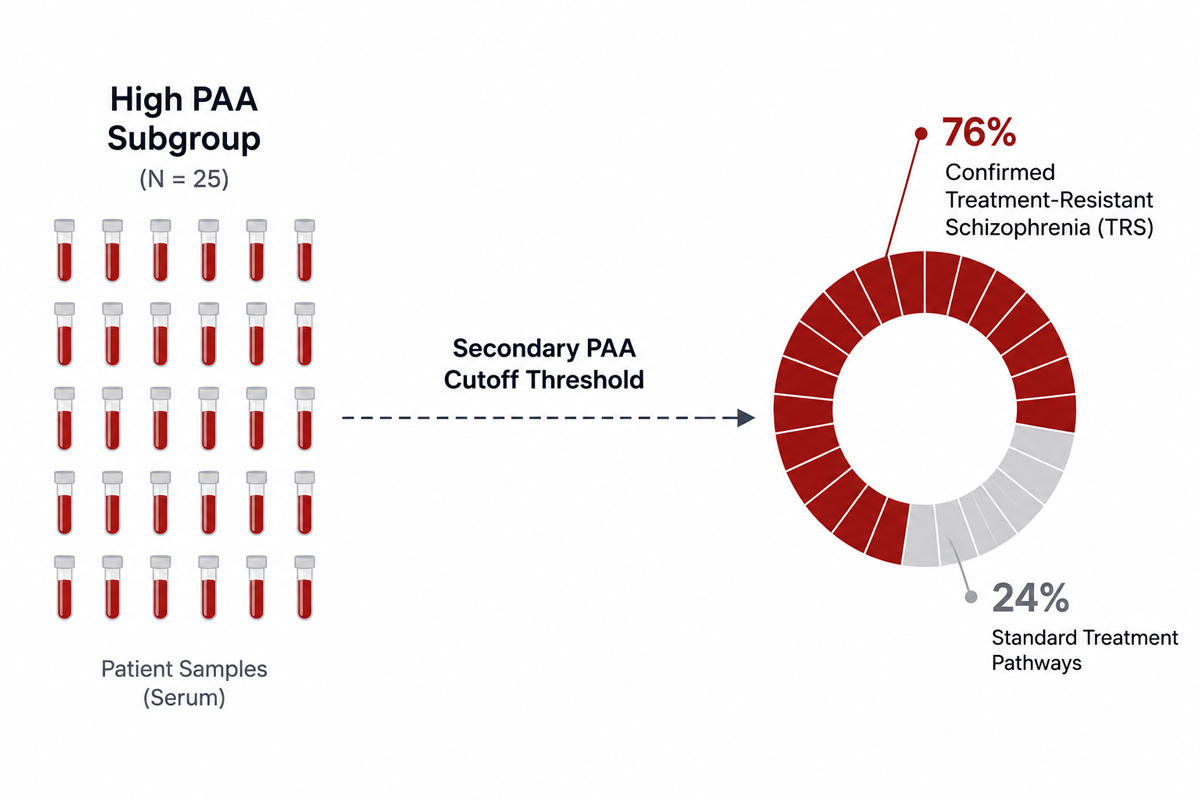
Behavioral psychiatry often requires years of agonizing therapeutic trial-and-error to identify patients who will fail standard first-line oral antipsychotics. Neurogenic’s initial clinical analysis introduces a paradigm shift: utilizing quantitative biological thresholds to identify treatment-resistant phenotypes at initial presentation.
Initial Analysis & Clinical Evidence
Our data reveals a profound correlation between hyper-elevated autoantibody loads and treatment resistance, establishing a clear biomarker-defined phenotype:
A brief overview of the scientific journey from identifying broad autoantibody activity to pinpointing a distinct biomarker unique to schizophrenia.
Step 1.Quantitative Discovery
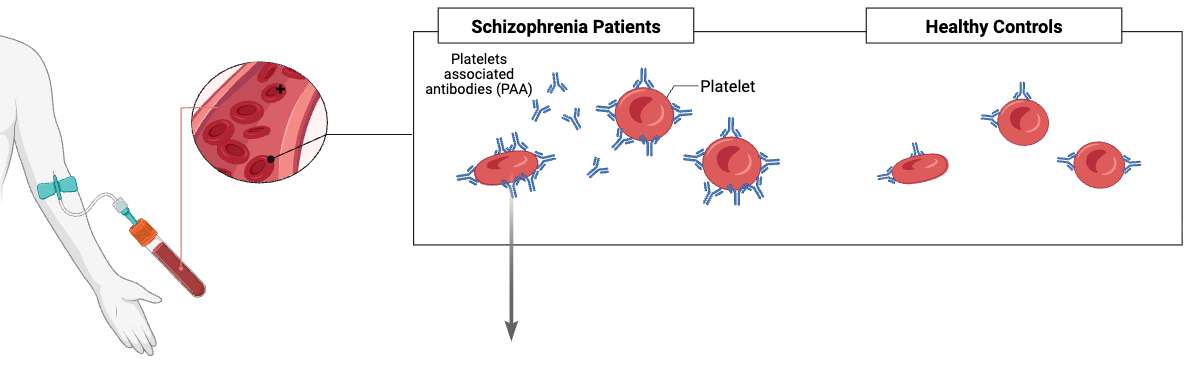
Platelet-Associated Autoantibodies (PAA) are significantly elevated in schizophrenic patients (mean 123 ng/10^8 platelets) compared to healthy controls (65 ng/10^8 platelets).
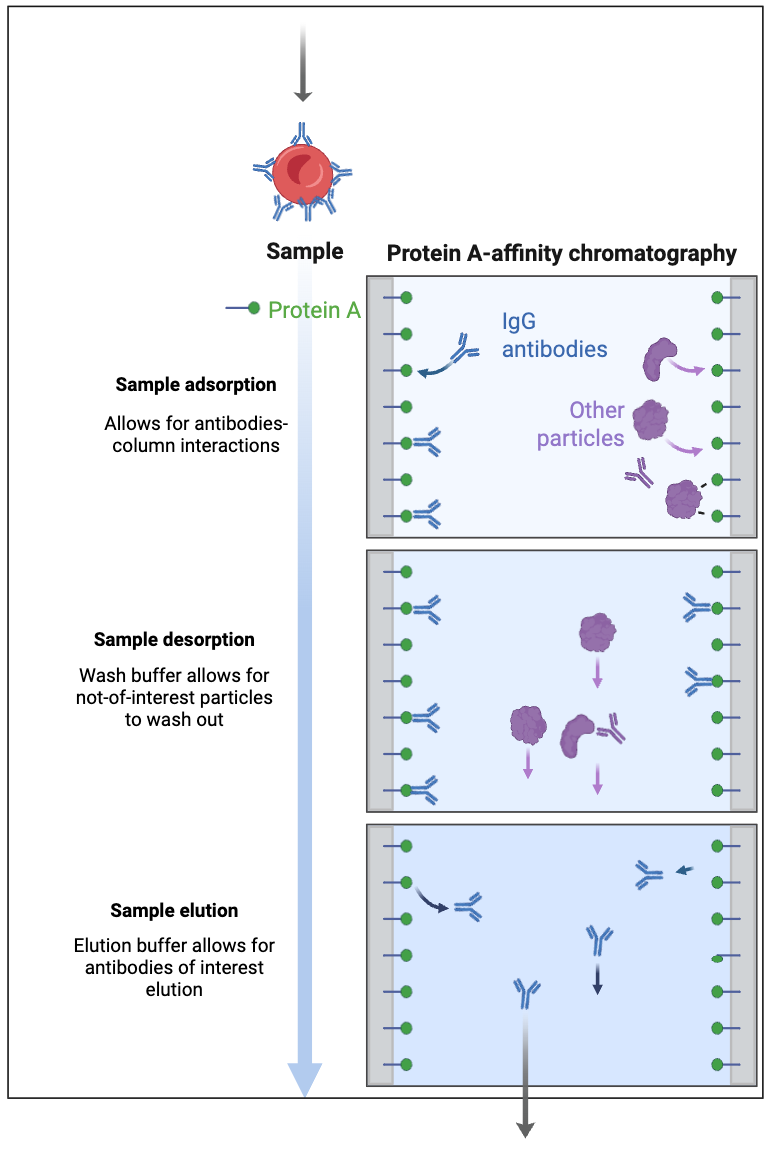
Step 2. Antibody Isolation
To isolate these specific PAA, a Protein A-affinity chromatography was utilized, a method where Protein-A specifically binds the Fc “tail” region of IgG antibodies. Platelet contents were passed through this column, capturing only the PAA while washing away other cellular components.
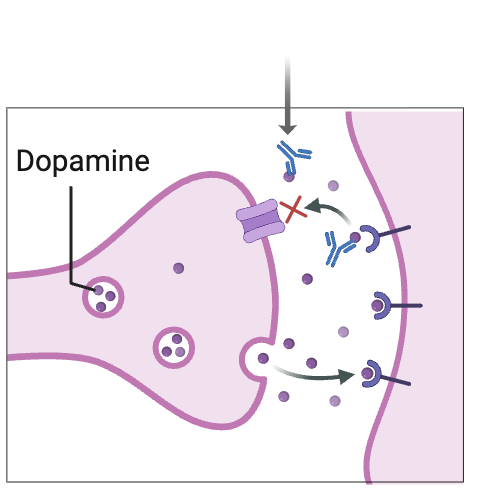
Step 3a. CNS Cross-Reactivity & Dopaminergic Blockade
Crucially, it was demonstrated that these PAA cross-react with brain tissue – specifically rat brain P2m synaptosomal membranes – indicating a shared antigen between platelets and the central nervous system. Furthermore, these antibodies were proven to be biologically active, specifically inhibiting the uptake of dopamine (DA) by mimicking competitive inhibition.
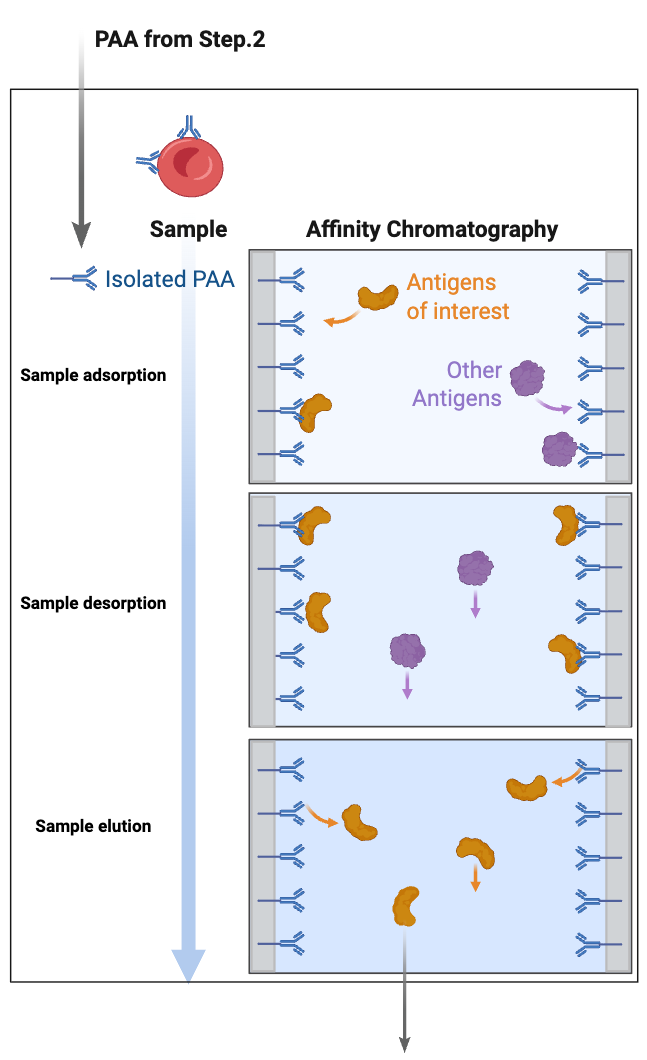
Step 3b. Antigen Capture
These isolated autoantibodies were then immobilized onto a new affinity chromatography column to act as “bait”. Solubilized platelet membranes were infused through this column, allowing the immobilized antibodies to capture the specific protein antigens they naturally target.
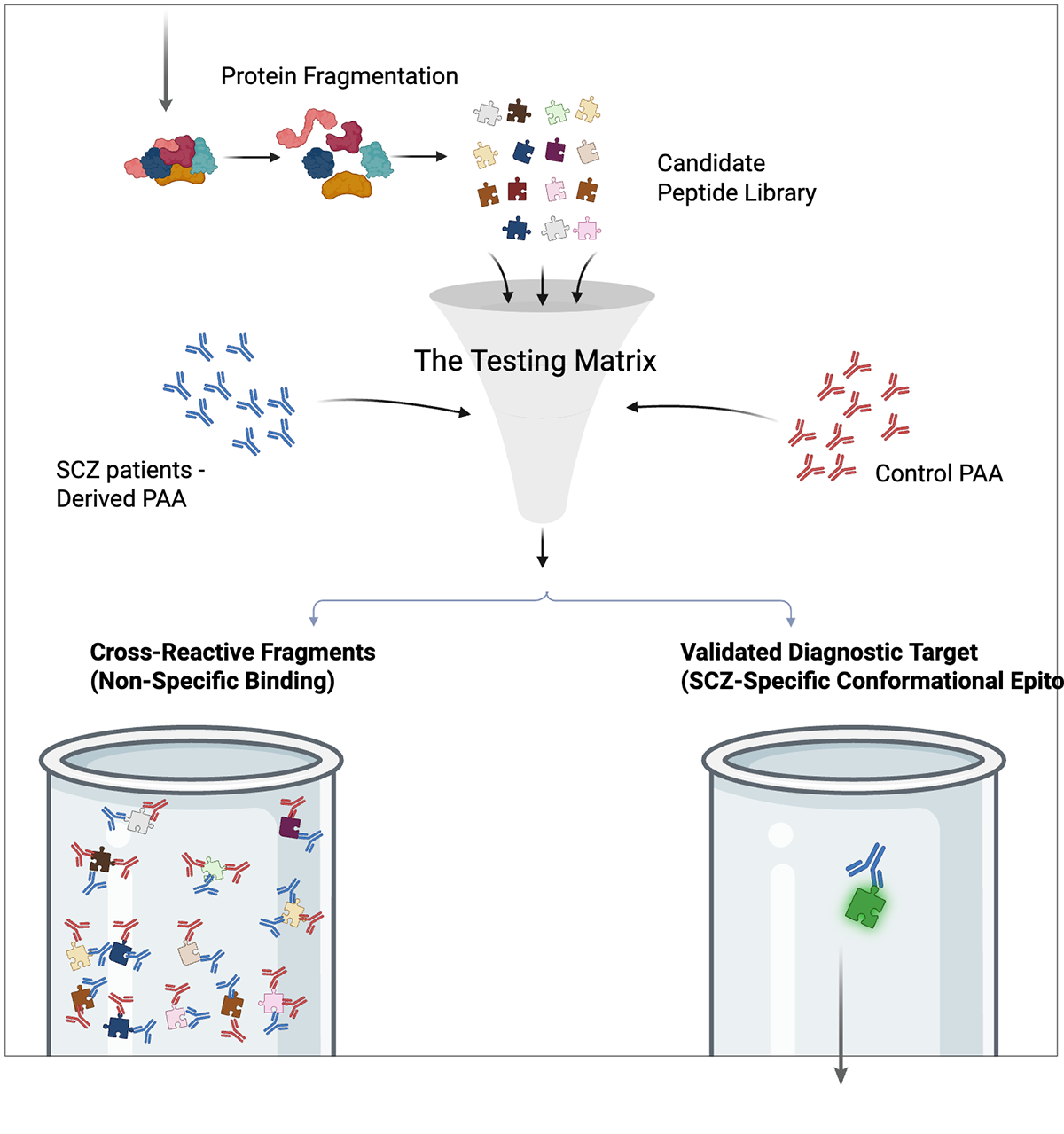
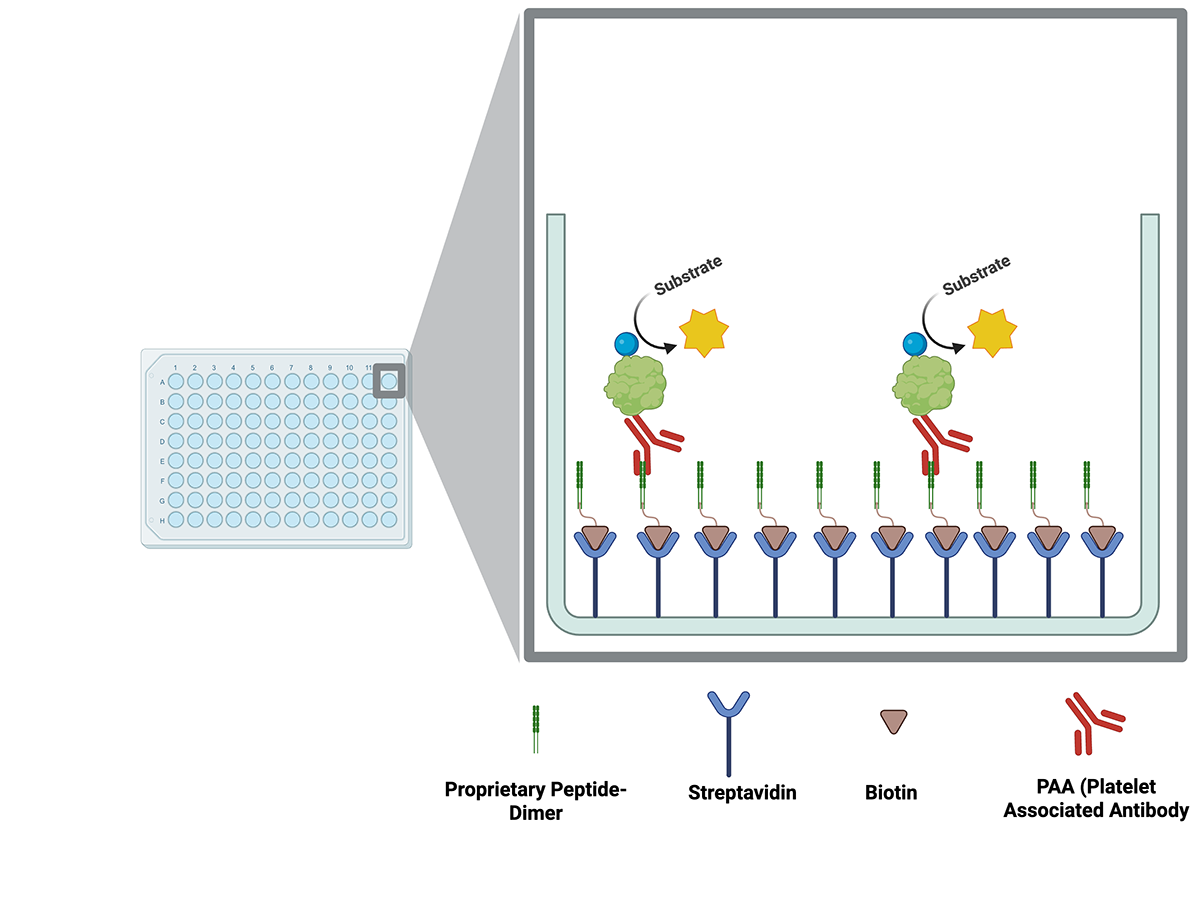
Translating the nsPAA discovery into a patented diagnostic tool. Our synthetic peptide dimer selectively captures the schizophrenia-specific marker, effectively filtering out background noise to deliver precise clinical differentiation.
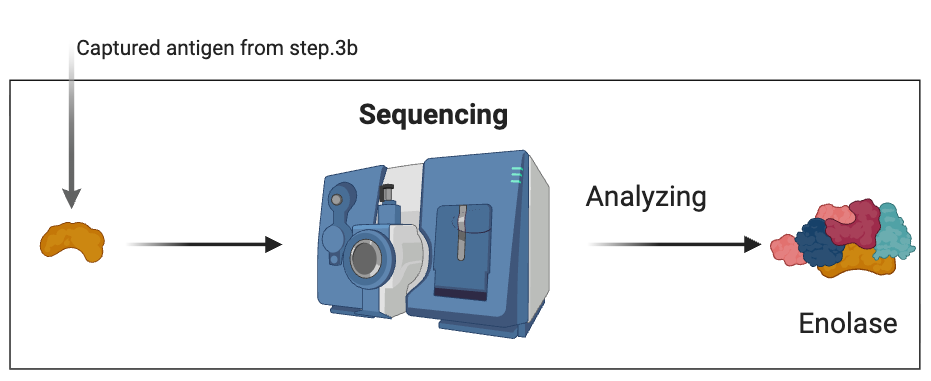
Step 4. Protein Sequencing
The captured antigens were purified and sequenced, identifying the enzyme enolase as a primary target. However, intact whole enolase was found to react with sera from both schizophrenic patients and healthy controls, lacking the specificity required for a diagnostic tool.
Step 5. Structural Decoding: From Cross-Reactivity to Absolute Specificity
Through structural decoding, enolase was enzymatically fragmented, revealing a specific amino acid sequence that reacted exclusively with schizophrenic autoantibodies. 3-D modeling surprisingly revealed this specific linear sequence is actually buried deep inside the enolase protein. However, 3-D surface analysis identified a “conformational epitope” on the enzyme’s surface that perfectly mimics the spatial architecture of this buried fragment.
Step 6. Synthetic Engineering
Based on this structural mimicry, a proprietary synthetic peptide was engineered. This peptide, particularly in the form of a dimer via a disulfide bridge, specifically captures the disease-associated autoantibodies without cross-reacting with healthy sera.
Ebert T, Schechtman M, Midbari Y, Weizman A, Shinitzky M, Spivak B. Effect of Clozapine and Other Antipsychotics on the Level of Platelet-Associated Autoantibodies in Children with Schizophrenia: A Longitudinal Follow-Up Study. Neuropsychobiology. 2015;71(2):120-124. doi: 10.1159/000370077. Epub 2015 Apr 9. PMID: 25871884.
© Neurogenic Diagnostics. All rights reserved. | Privacy Policy | Terms of Use